We exist to help leaders turn culture into a real operating system, not a poster on the wall. We believe culture should guide behavior, decisions, and results, every single day.
At CultureWise, we believe culture should be lived, not laminated.
Too often culture is reduced to posters on the wall, vague values, or one-time initiatives that fade over time. But culture isn’t built through slogans. It’s built through the behaviors people practice every day.
That’s why CultureWise helps leaders turn culture into something real and actionable. Our system gives organizations a practical way to define the behaviors that drive success and reinforce them consistently across the company.
When those behaviors are clear and practiced regularly, culture stops being abstract and becomes a powerful driver of alignment, performance, and growth.
How CultureWise Began
CultureWise grew out of a real leadership challenge.
While building RSI, a fast-growing benefits consulting firm, founder David Friedman began defining the specific behaviors that shaped how his team communicated, solved problems, and worked together. These behaviors became known as the company’s Fundamentals, and they were practiced and reinforced every week.
The results were powerful. RSI became one of the largest independent benefits agencies in the country and developed a reputation for its strong culture.
As other leaders began asking how the system worked, David realized the approach could help many more organizations. That insight became the foundation for the book Culture by Design and the CultureWise system.
Today, organizations across many industries use CultureWise to build high-performing cultures through consistent, teachable behaviors.
Our culture operating system helps leaders define the behaviors that matter most and embed them into daily routines so culture becomes something teams practice and sustain.
CultureWise is now part of Persistence Management Holdings (PMH), a platform focused on helping organizations strengthen leadership, performance, and culture systems.
Our mission remains simple: help organizations build cultures where people can do their best work and achieve extraordinary results together.
The Fundamentals That We Live Every Day
At CultureWise, we practice the same system we teach. Like our clients, we rely on a complete set of behaviors that shape how we collaborate, communicate, and lead. These Fundamentals define how we show up for one another and the standards we hold ourselves to every day. Below are a few examples of the Fundamentals that guide how we work together at CultureWise.
Deliver Legendary Customer Service
Do the little things, as well as the big things, that blow people away. Create extraordinary experiences they'll tell others about. Mere customer satisfaction is for lesser companies. Create customer loyalty by doing the unexpected.
Find a Way
Take personal responsibility for making things happen – somehow, someway. Respond to every situation by looking for how we can do it, rather than explaining why it can’t be done. Be resourceful and show initiative.
Be Relentless About Improvement
Regularly reevaluate every aspect of your job to find ways to improve. Don’t be satisfied with the status quo. “Because we’ve always done it that way” is not a reason. Keep getting better.
Practice Blameless Problem-Solving
Apply your creativity, spirit, and enthusiasm to developing solutions, rather than pointing fingers and dwelling on problems. Identify lessons learned and use those lessons to improve our processes so we don’t make the same mistake again. Get smarter with every mistake. Learn from every experience.
Get Clear on Expectations
Create clarity and avoid misunderstandings by discussing expectations upfront. Establish mutually understood objectives and deadlines for all projects, issues, and commitments. Where appropriate, confirm your communication by asking others to repeat back their understanding to ensure total clarity and agreement.
Listen Generously
Listening is more than simply “not speaking.” Be present and engaged. Quiet the noise in your head and let go of the need to agree or disagree. Create space for team members to express themselves without judgment. Listen with care and with empathy. Above all, listen to understand.
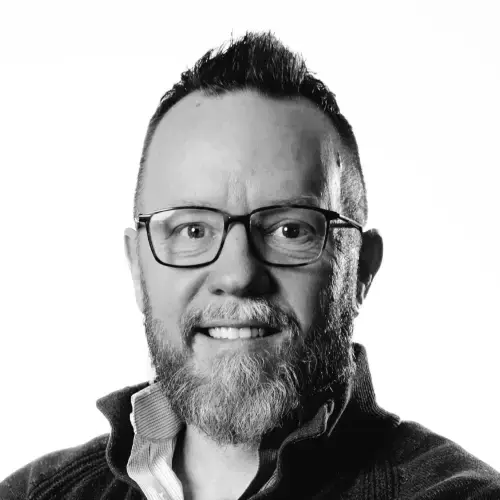
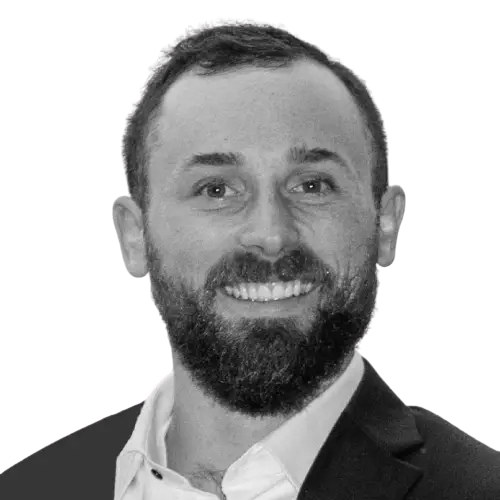
Proud dad, college basketball junkie, struggling musician, and weekend warrior on the tennis court who appreciates the simple power of being a great teammate and bringing out the best in others.
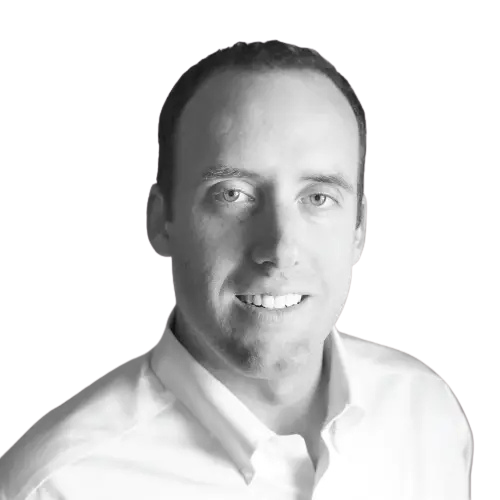
Alex spends his days working to help organizations unlock the untapped potential in their employees and his evenings trying to keep up with his wife, two-year-old, and a baseball league that suggests he’s not as young as he thinks.
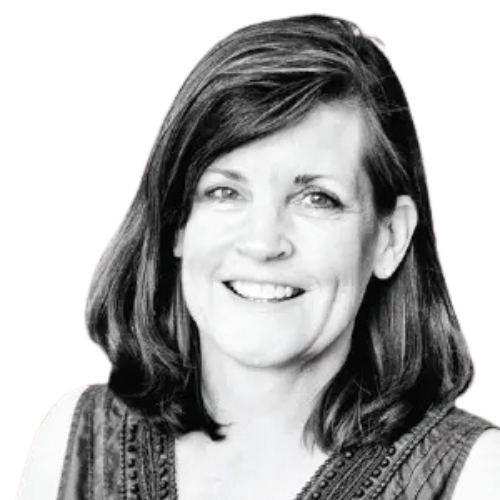
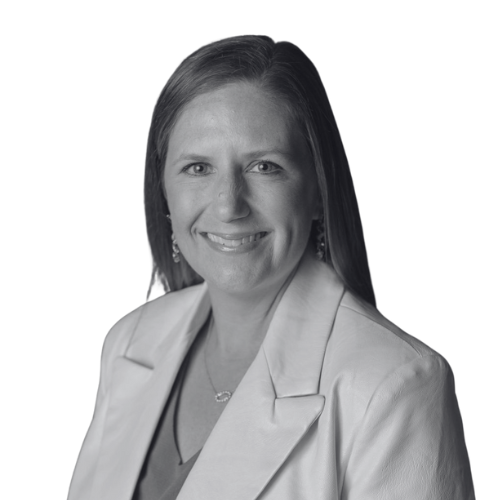
When she's not coordinating calendars, fielding tech support tickets, or running a survey, Ena is on the lookout for a new corner of the Philippines to explore and sip coffee from.
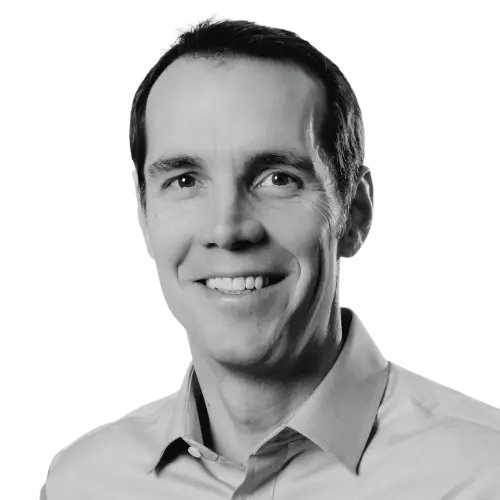
Kevin is an Implementation Manager who enjoys working with people, loves sports and family time, and is deeply interested in how perspective shapes the way we experience the world.
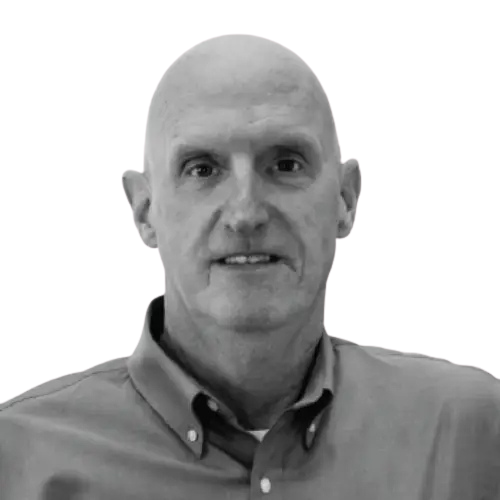
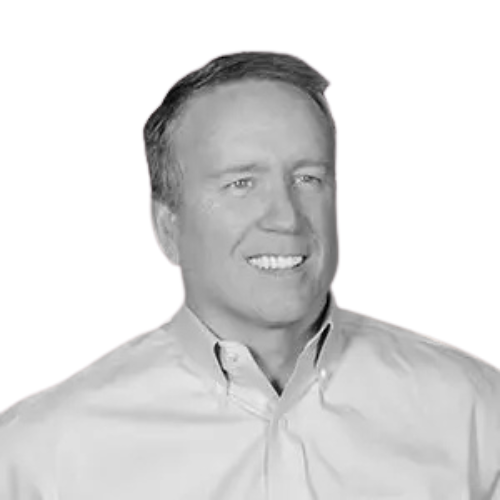
With over 40 years of leading sales and operations teams, including 11 years at CultureWise, Rob brings a seasoned perspective, a love of travel, and a growing conviction that Italy is gently conspiring to become his second home.







.png)