2 min read
CultureWise vs. Kudos: One Celebrates Behavior, One Builds It
Kudos celebrates good behavior. CultureWise defines it first. How recognition and a culture operating system work together, and where they differ.
Most leaders never say the real objection out loud. They nod along about culture, agree it matters, and then go quiet. What they are doing in that silence is math. They are picturing a two-day offsite, a facilitator, sticky notes on the wall, and a month of follow-up meetings they do not have room for.
One services business owner put it plainly. The thing holding him back was not the price. It was "the time and the headspace." A CEO we worked with had set ten priorities for the year with his executive team. His fear was walking back into that room and adding an eleventh: "wait a minute, that wasn't even in the ten."
That fear is reasonable. It is also wrong about the number: the time it takes is smaller than almost anyone guesses.
The default mental model for "building culture" is the retreat. Everyone leaves the office, a consultant runs an exercise, and you come home with a poster and a hangover of unfinished action items.
CultureWise is built to be the opposite of that. As we say, culture doesn't happen at an offsite. It happens every single day, in small, repeated moments. That design choice changes the whole cost structure. You are not buying a big event. You are installing a system, and a system does not need your whole leadership team in a room for two days to get started.
About six hours, spread over 45 to 60 days. That is the number that ends the stall.
The leaders who hesitate are usually picturing a much bigger lift than the work actually requires. When they hear six hours, the objection collapses, because six hours over two months is not a competing priority. It is a rounding error against the cost of the problem culture is solving. Gallup estimates that replacing one employee can run one-half to two times that person's annual salary. Six hours to reduce that risk is not a hard trade.
Here is where those hours go.
1. Kickoff (about three hours). Your leadership team meets with your Certified Culture Architect (CCA) to surface the behaviors that already drive your best results and the gaps that show up when growth outpaces accountability.
2. First draft in about two days. You do not write it. CultureWise takes what came out of the kickoff and returns a first draft of your Fundamentals, the specific, named behaviors your company will practice.
3. Three or four working meetings. Your team reacts to the draft, sharpens the language, and lands on a final set. Reacting to a real draft is fast. Staring at a blank page is what eats weeks, and you skip that part entirely.
4. Rollout. With the Fundamentals set, the software platform carries the weekly rhythm, one Fundamental at a time, so the practice runs without another standing meeting on your calendar.
Add it up and you land near six hours of leadership time. Most of the elapsed 45 to 60 days is CultureWise working, not you waiting in meetings.
Because most of the work is not yours to do.
This is the difference between a workshop and a culture operating system. A workshop hands you a framework and a to-do list, then leaves. A system carries the parts that usually die in the follow through: the drafting, the weekly cadence, the reminders, the coaching content. Your job is the part only you can do, which is deciding what your company stands for. CultureWise carries the rest.
That is also why the change does not depend on the right person remembering to run it. The rhythm lives in the platform, not in one leader's willpower.
Time is one half of the cost question. Money is the other, and it deserves a straight answer too. Our one-time program activation is billed in installments tied to milestones, and the software runs on a per-user monthly rate. We break the dollars down on our pricing page, where the current numbers live.
The reason to separate the two is simple. Leaders often reach for "this is expensive" when the worry is about the calendar. Name the hours first, and the dollar conversation gets clearer.
Rollout takes 45 to 60 days. Culture change takes longer, and any vendor who tells you otherwise is selling the poster, not the practice.
The honest split has two parts. In two months you will have your Fundamentals defined, your rituals running, and your whole team practicing one behavior a week. What you will not have in two months is a fully rewired company. That compounds over quarters, as the weekly rhythm turns named behaviors into how people operate when no one is watching. The rollout is short on purpose. The payoff is long by design.
One leader whose team was burned out on "another team-building thing" told us what turned him: "the rituals is what got me." Not the kickoff. The small daily practice that kept going after the kickoff ended.
If the thing holding you back was the picture of a lost week and a stalled quarter, replace it with the real picture: about six hours — most of the work on our side — and a system that runs after the meetings end.
See the full process on the How It Works page, or book a walkthrough and we will map the calendar against your team's schedule.
About six hours of leadership time, spread across 45 to 60 days. That includes a roughly three-hour kickoff and three or four shorter working meetings to finalize your Fundamentals.
No. CultureWise is built around daily practice, not a single event. There is no required retreat. The kickoff and working meetings fit into your normal schedule.
Most companies complete their Fundamentals design and rollout in 45 to 60 days (about six to eight weeks). The weekly practice then continues on an ongoing rhythm.
CultureWise does. Your team surfaces the raw material in the kickoff, and your Certified Culture Architect returns a first draft for you to react to and refine.
New content on building a high-performing culture, plus what's new on the platform and upcoming events.
2 min read
Kudos celebrates good behavior. CultureWise defines it first. How recognition and a culture operating system work together, and where they differ.
3 min read
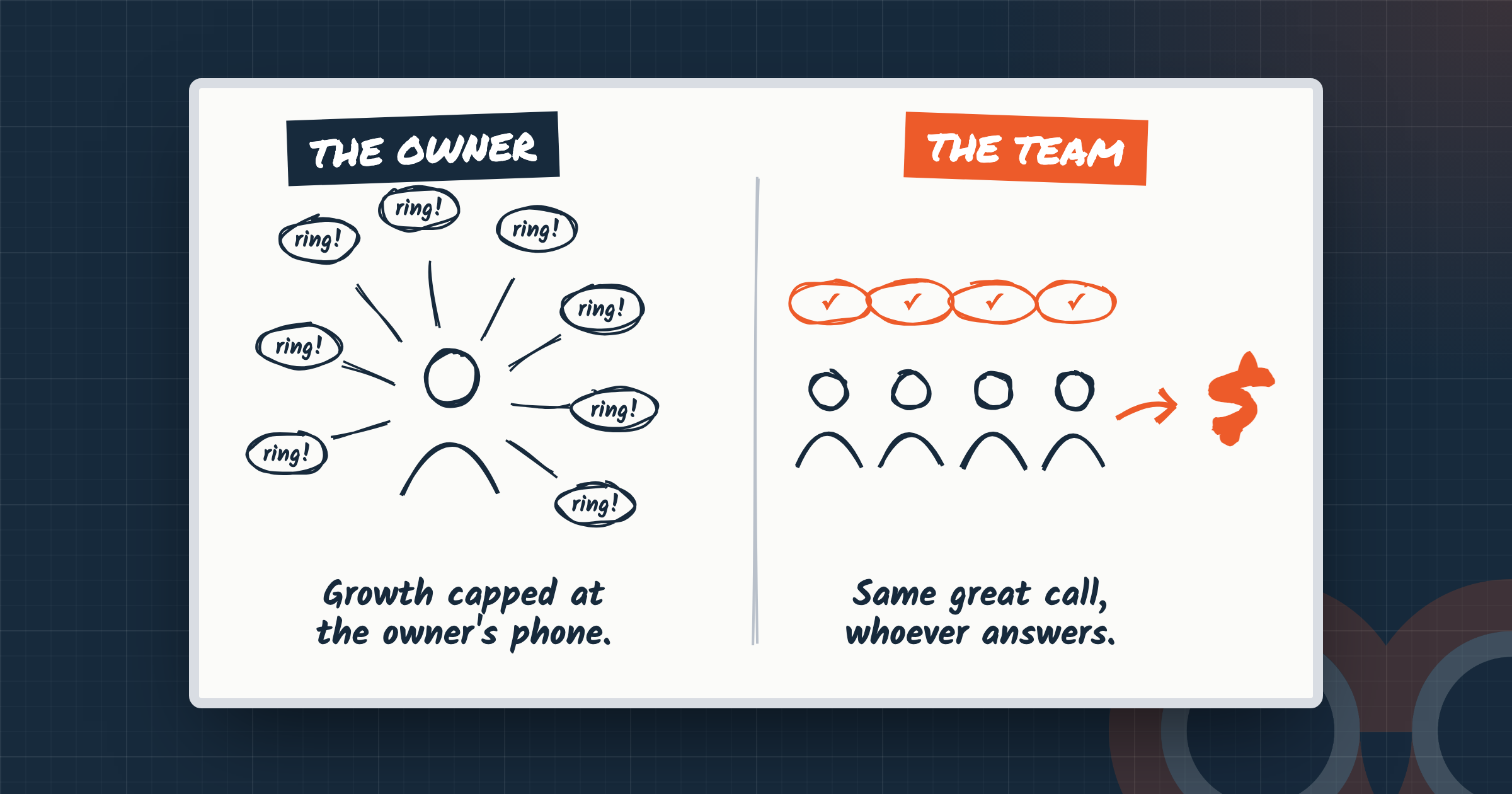
Alex Hill on a chimney-sweeping business capped by how many calls its owner could take, and how consistent employee behaviors lower acquisition costs.
4 min read
Recognition without stated criteria reads as favoritism. Here is how to build an employee recognition program on defined behaviors instead of gut feel.