3 min read
CultureWise vs. Top Workplaces: One Builds Your Culture, One Celebrates It
Top Workplaces celebrates the culture you have. CultureWise builds it week by week. How the two fit together for leaders who want both.
3 min read
By Bill Kaiser, Vice President
One of the many positives of my work is that I get to meet and work with great leaders. Each day is an opportunity to learn something new. Recently, the CEO of one of my clients asked me if there was anything in particular that stood out that leaders I’ve met with are commonly challenged by. Several came to mind. Many continue to be challenged by the tight labor market. Finding and keeping A+ talent remains a daily grind. Some need more consistency with top line growth and others are hoping for less consistency with high expenses. But something else seems to rear its ugly head as an all too common challenge/frustration. A lack of accountability in our organizations.
Webster’s defines accountability as “an obligation or willingness to accept responsibility for one’s actions.”
On the personal or team level it’s being responsible and showing up for a meeting on time. It’s making sure that we deliver the product or project when we said we would. It’s hitting the sales targets or production quotas we committed to. And as leaders of high performing cultures, it’s how we show our people, ourselves, and the world how serious we are about our culture. Without accountability, our efforts amount to little more than wishful thinking.
“How am I doing?”
I remember hearing a story about past New York City mayor, Ed Koch. Whenever he would greet someone, he’d say, “Hey, I’m Mayor Ed Koch. How am I doing?” He was constantly asking for feedback and being accountable in his constituents’ eyes.
One way to translate this to our businesses, and specifically our culture, is through surveying. As many of you have come to learn, your culture is defined by behaviors. Behaviors that are fundamental and critical to your continued success. So, doesn’t it make sense to ask our employees, our customers, and our vendor partners, “How are we doing” relative to these fundamentals? Many of our clients do exactly that by asking how consistently they exhibit each of their fundamentals using a 5-option descriptor scale starting with Almost always and ending with Never.
The survey gives us data on how well we’re living to our culture and allows us to measure improvement over time. It also sends a clear message that we’re very serious. Serious enough to be transparent and to hold ourselves accountable for what we say is important to us.
Another great way to drive accountability is through your performance review process. While most of our clients have between 25-40 fundamentals, it’s not practical to include them all in the performance discussion. However, choosing 4-6 that are most relevant for each position makes this a much more productive and effective meeting.
The ultimate accountability
The most significant indication of your seriousness is terminating a relationship that adds value to the organization but comes at too high a cost in terms of its impact on your culture. We’ve all been there. We have an employee that provides something we’re afraid of losing – yet they wreak havoc on the organization. Many times, it’s a bellringing, quota-busting salesperson. As sexy as their new business numbers are, they behave the opposite of everything we say is important. And yet, we allow ourselves to be held hostage by these performers because we’re afraid of losing them. Think of the message that sends. . . “Culture is very important here, unless you produce enough business.” Our founder, David Friedman, often says that he can get a great read on a company’s culture by looking at the behaviors that they tolerate.
Getting rid of the toxic team member sends a loud, clear message to your team about how serious you are about your culture. Given the weight of this decision, you should arrive at this conclusion only after an exhaustive process of coaching and mentoring (Step 6 in the 8-step framework). The fundamentals you’ve clearly defined provide you and your fellow leaders the framework and curriculum to teach your people and help them improve. But when it becomes clear that changes aren’t being made, you ask that person to leave. There’s truly no greater way to demonstrate accountability for your culture than that.
If you’d like to learn more about how the Fundamentals System™ can help you to build a high-performing culture, click the button below. Or join us at our annual Culture Summit in October.

New content on building a high-performing culture, plus what's new on the platform and upcoming events.

3 min read
Top Workplaces celebrates the culture you have. CultureWise builds it week by week. How the two fit together for leaders who want both.
4 min read
Your top performer hits the numbers and wrecks the room. See what tolerating a toxic high performer costs, and how real workplace accountability fixes it.
5 min read
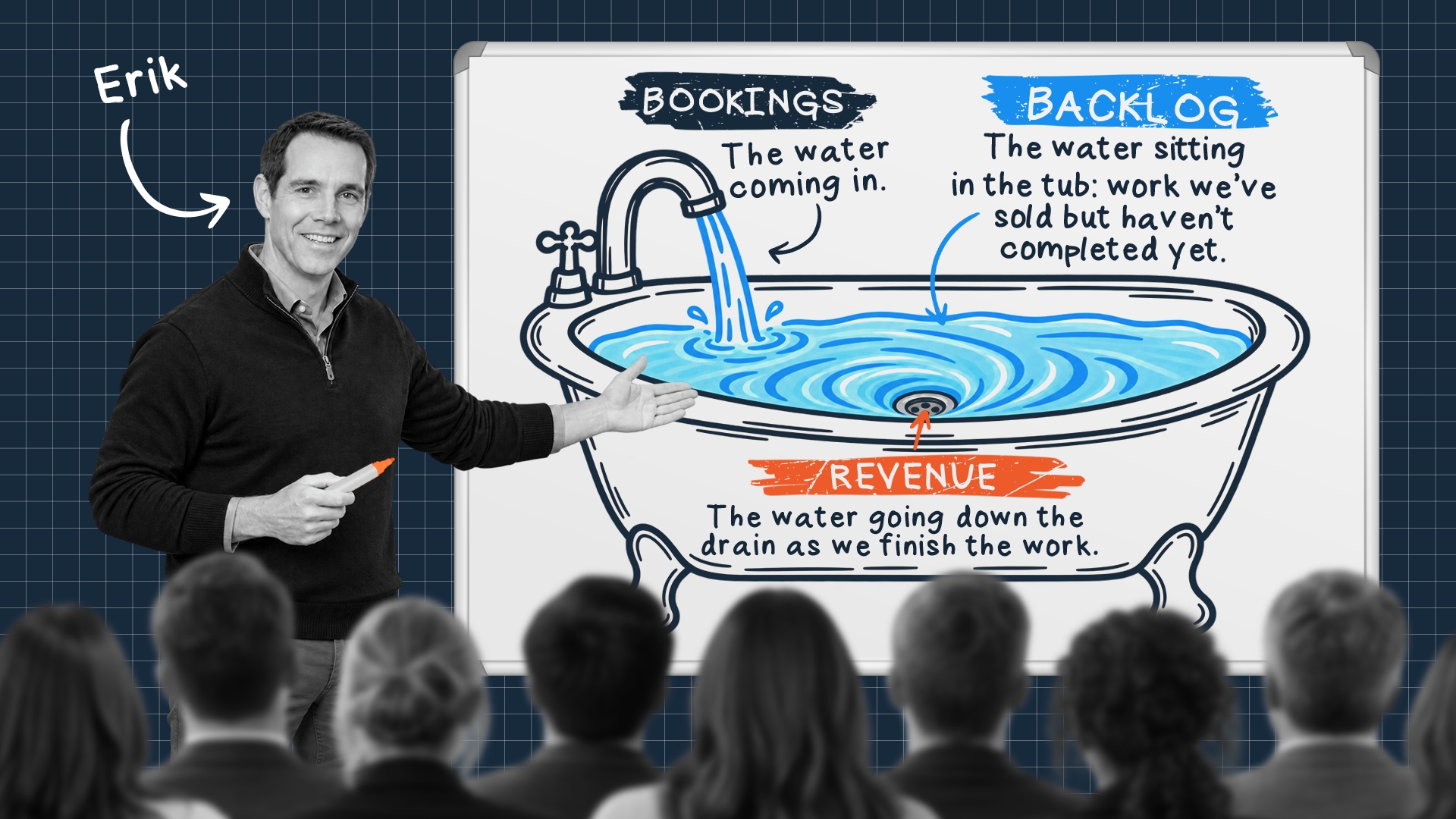
Alex Hill on the bathtub metaphor that taught a 150-person company how the business makes money, and why context helps people make the call.