3 min read
CultureWise vs. Top Workplaces: One Builds Your Culture, One Celebrates It
Top Workplaces celebrates the culture you have. CultureWise builds it week by week. How the two fit together for leaders who want both.
2 min read

By Founder/CEO, David Friedman
As we begin to work with our clients on implementing the CultureWise culture operating system, I’m sometimes asked whether or not we should do some sort of “assessment” of the culture first. My answer may surprise you, as it’s one of the many places where we tend to buck conventional wisdom. But as I explain why, I think you’ll see the point clearly.
Traditional thinking would suggest that before we can know where we’re going, we first have to clearly understand where we are today. And so companies will often do surveys of their employees, asking for their thoughts on how we currently live to our values, or even what they think our culture actually is. And while getting a clearer picture of our starting point may be important, and even critical, when looking for directions on Google Maps, the same logic doesn’t hold when trying to build the culture we want.
A design process
If you’re a regular reader of this blog, you know that in the 8-Step Framework, we begin by defining, with tremendous clarity, what we want our culture to be. I often call this a “design function.” We’re designing, like an architect or engineer would, the extraordinary company we’re trying to create. But here’s the key thing to understand: regardless of the current state of our culture, we still need to go through the same process to define what we want to build for the future. If I did an assessment, and better understood how our people saw our current culture, how would it change my design? Not at all.
I would still need to determine the Fundamentals that are most important to me, and I’d still need to roll them out and practice them in the same consistent way. To be sure, it might take longer for us to achieve great success depending on our starting point, but it wouldn’t change the steps I need to take nor the process for taking them. And if it wouldn’t change my next steps, what’s the utility in collecting the data?
When to collect data
Because data is easier to collect than it’s ever been, we often collect it simply because we can. The decision criteria for data collection shouldn’t be solely how hard or easy it is to collect, but rather what we might do once we have the data. If we can envision very different courses of action based on what we learn, then it’s important and useful to collect it. But if our actions would likely be the same regardless of what the data says, then there’s not much point in wasting the time and effort to collect it.
To be clear, I am in favor of doing a survey or assessment after we roll out the Fundamentals, but the purpose of this survey is to get a baseline from which to measure our improvement, rather than to get more data to inform the design process. Instead, this survey helps us know how we’re doing so that we can identify areas which may require additional focus. These are very different purposes.
If you’d like to learn more about how to design a high-performing culture (regardless of your starting point), just shoot us an email or give us a call. You can also learn more from my latest book, Culture by Design.

New content on building a high-performing culture, plus what's new on the platform and upcoming events.
3 min read
Top Workplaces celebrates the culture you have. CultureWise builds it week by week. How the two fit together for leaders who want both.
4 min read
Your top performer hits the numbers and wrecks the room. See what tolerating a toxic high performer costs, and how real workplace accountability fixes it.
5 min read
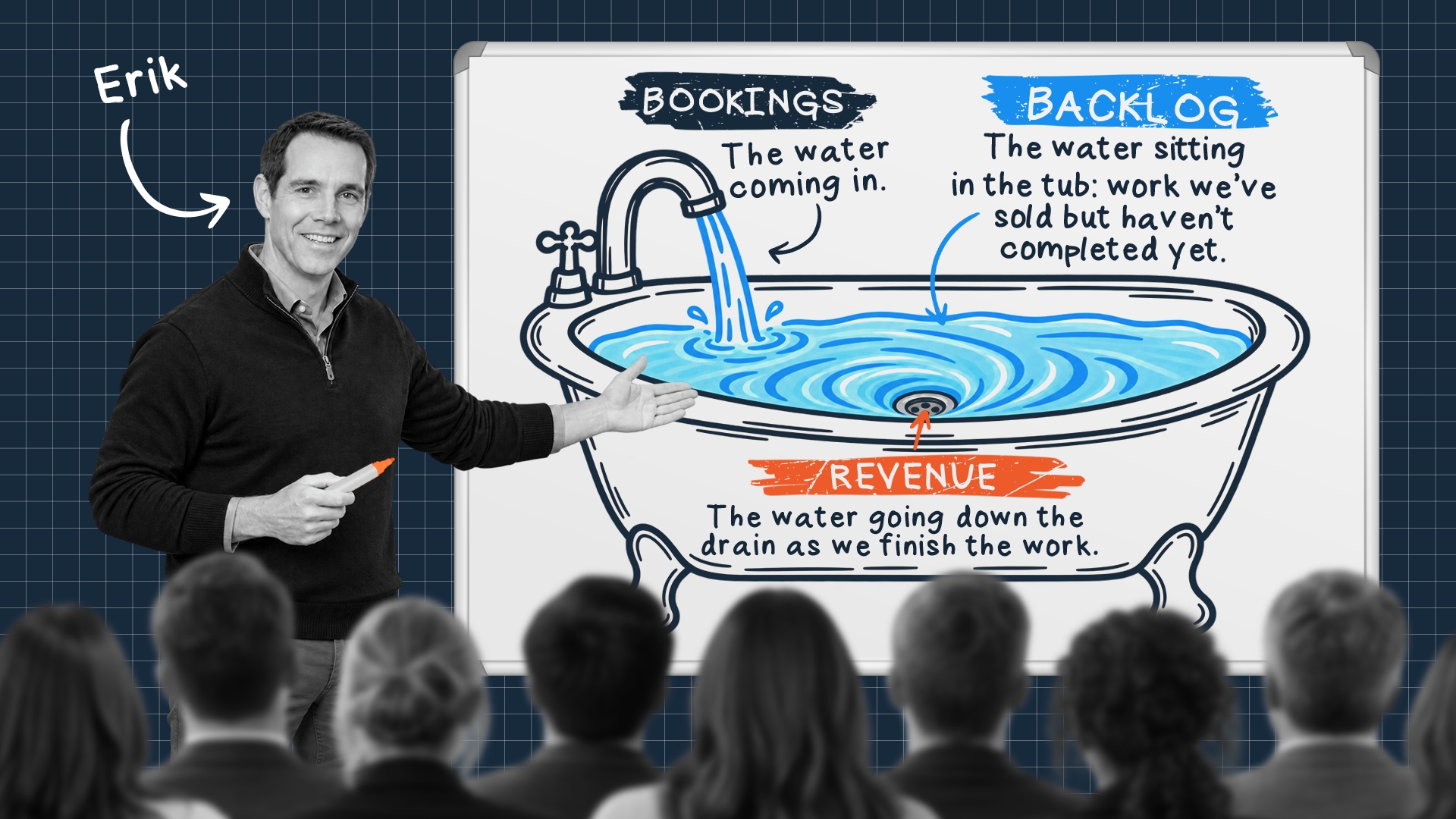
Alex Hill on the bathtub metaphor that taught a 150-person company how the business makes money, and why context helps people make the call.